


My grandmother could tell you, within a week, whether a man was serious about her daughter. Not because she had a gift. Because tradition made him prove it.
He had to send a delegation. He had to knock. Kokooko meant families sat in a room together, drinks were presented, and everyone in that room now knew a thing existed. From that day, the young man was answerable to more than just the girl he liked. He was answerable to her uncles, her mother, her pastor, the whole compound.
We threw that away. And we called it freedom.
I am not writing this to defend every custom our grandparents practiced. Some of it needed to go. But we did not replace the parts worth keeping. We just left ourselves exposed.
Look at what many young relationships in this country actually are now. Two phones. A shared location on Snapchat. A “wyd tonight” text. Nobody’s mother has met him. Nobody’s elder brother has his number. If he disappears tomorrow, there is no one to call, because officially, nothing ever existed.

A study making the rounds early this year found that more than half of young Ghanaian women in their twenties are seeing more than one man at a time. Commentators called it liberation. I read it differently. I read a generation quietly protecting itself, because nobody has given them anything solid enough to hold onto with just one hand.
Think about it honestly. Why commit fully to one undefined thing when the man himself has committed to nothing? Spreading yourself across three uncertain situations can feel safer than trusting one that was never named. That is not a character flaw in our young women. That is a rational response to a broken system.
I have sat in family meetings where an uncle asks a young man one direct question. What are your intentions toward my niece? That single question, from a third party, does more to sort a relationship out than a hundred late night calls ever could. A man will say anything to a girlfriend at midnight. He thinks twice before he lies to her uncle’s face.
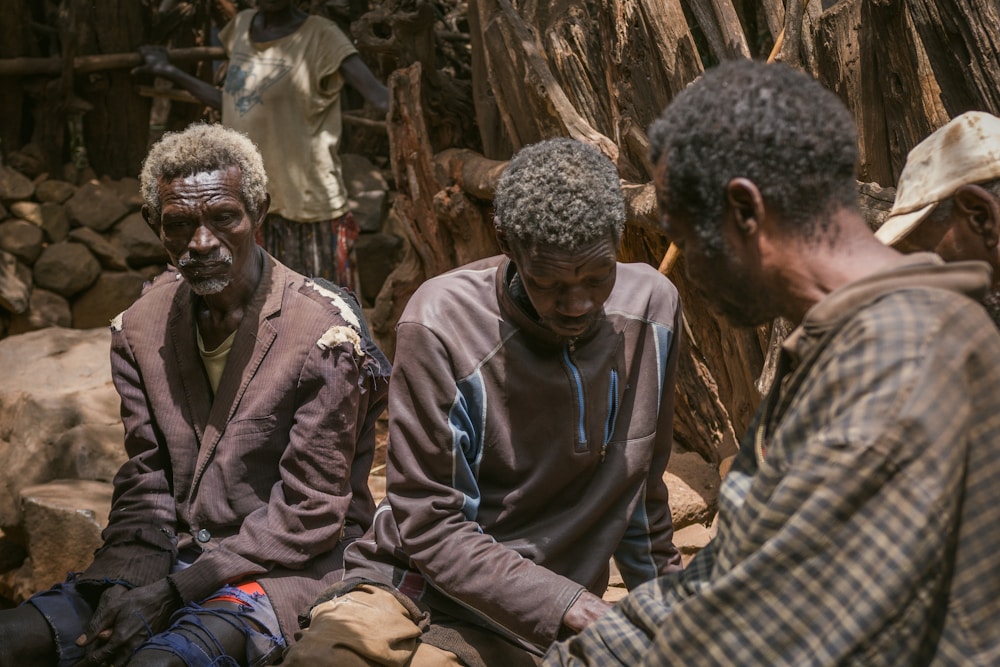
That is the part we lost. Not the drinks, not the ceremony, not even the money involved. We lost the WITNESS. We lost the idea that someone besides the two of you should know this relationship exists and has the standing to ask hard questions about it.
I know why many of you avoid this now. Family can be controlling. Some of you were burned by relatives who meddled where they had no business. Some of you genuinely value your independence and do not want an audience for your love life. I understand all of that, and none of it is foolish.
But there is a difference between refusing control and refusing accountability. You do not need a full traditional ceremony to fix this. You need one honest witness. Your mother. Your best friend. Your pastor. Your elder sister. Someone who knows this relationship exists, knows this person’s name, and is allowed to ask you both what is actually going on.
If you cannot think of a single person you would tell about the relationship you are in right now, sit with that. Ask yourself why. Usually the answer is that some part of you already knows it will not survive daylight.
So here is the one thing I am asking of you this week. Name your relationship to a witness. Tell someone who loves you that this person exists, and let them ask you the questions you have been avoiding asking yourself. Do it before you invest another year of your one life into something nobody else can vouch for.

Our grandmothers were not old fashioned. They were protected. Give yourself the same gift, in a language your own generation can use.
God bless you.
Before you go — one step.
Get my free guide, 7 Money Mistakes Ghanaians Make:
Want to talk it through?
Book a free discovery callReady to go deeper? Get the SMART CEDI Workbook.