


Two people who love each other are sitting apart tonight because they cannot afford a party.
Not a house. Not a child. A party.
I have watched it happen too many times to call it rare. A man loves a woman. The woman loves the man. Both families are willing. And yet the marriage keeps sliding one more year, then one more year, because the wedding has become a mountain nobody can climb.
Look at what we have built. A traditional ceremony in Accra or Kumasi now runs anywhere from twenty to forty thousand cedis before you have added a single decoration. The engagement list alone can swallow ten to thirty thousand. Add a white wedding and you are staring at fifty, eighty, sometimes over two hundred thousand cedis for one weekend.
One weekend.
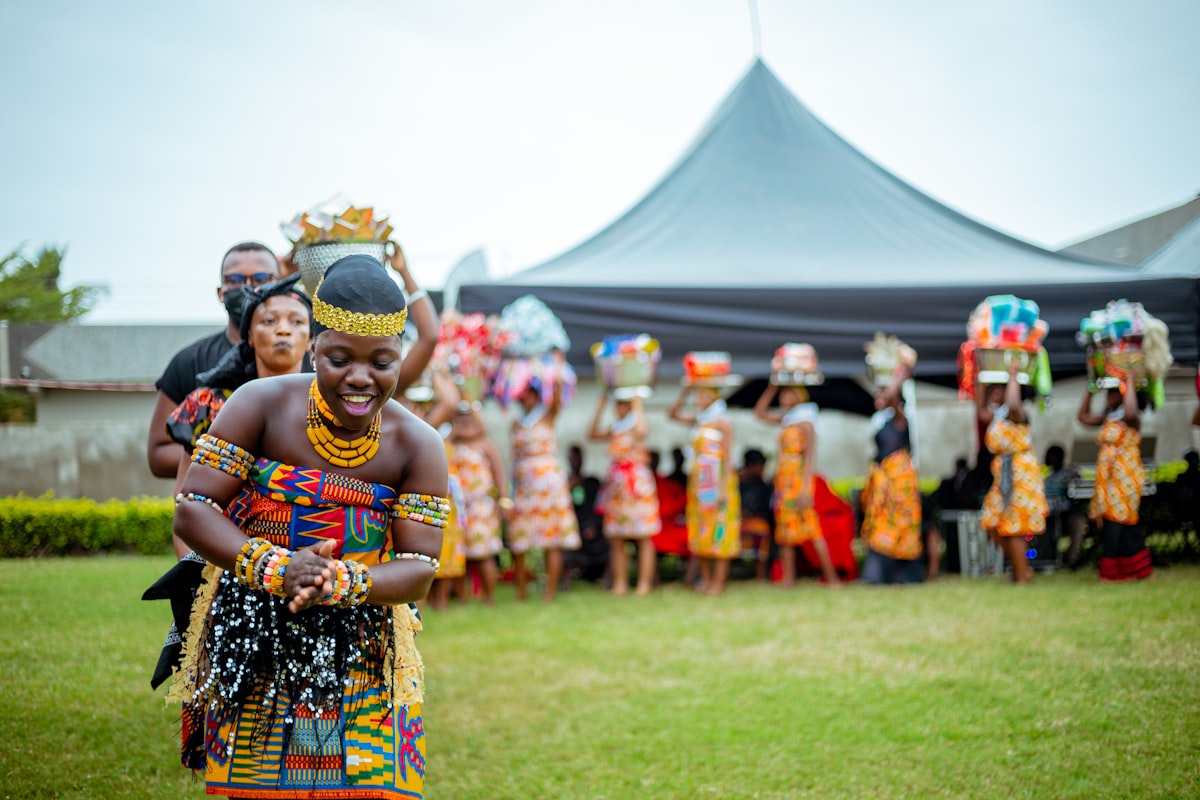
And here is the question nobody in the family gathering wants to ask. Who is all of this for?
Be honest. Is it for the couple? Or is it for the aunties who will judge the catering, the friends who will compare it to the last wedding, the strangers on Instagram who will watch a thirty second reel and never think of you again?
We have quietly turned marriage into a performance. And the price of admission is now so high that good, faithful, ready couples are being told to wait. Wait until the hall is grand enough. Wait until the list is fully bought. Wait until the drinks are imported and the dress is flown in.
So they wait. And while they wait, life happens.
Let me say the hard thing. The wedding is not the marriage. The wedding is one day. The marriage is ten thousand ordinary mornings after it. Yet we spend two years of savings and half a year of stress on the day, and almost no preparation on the ten thousand mornings.
We are postponing the marriage to afford the wedding. Read that again.
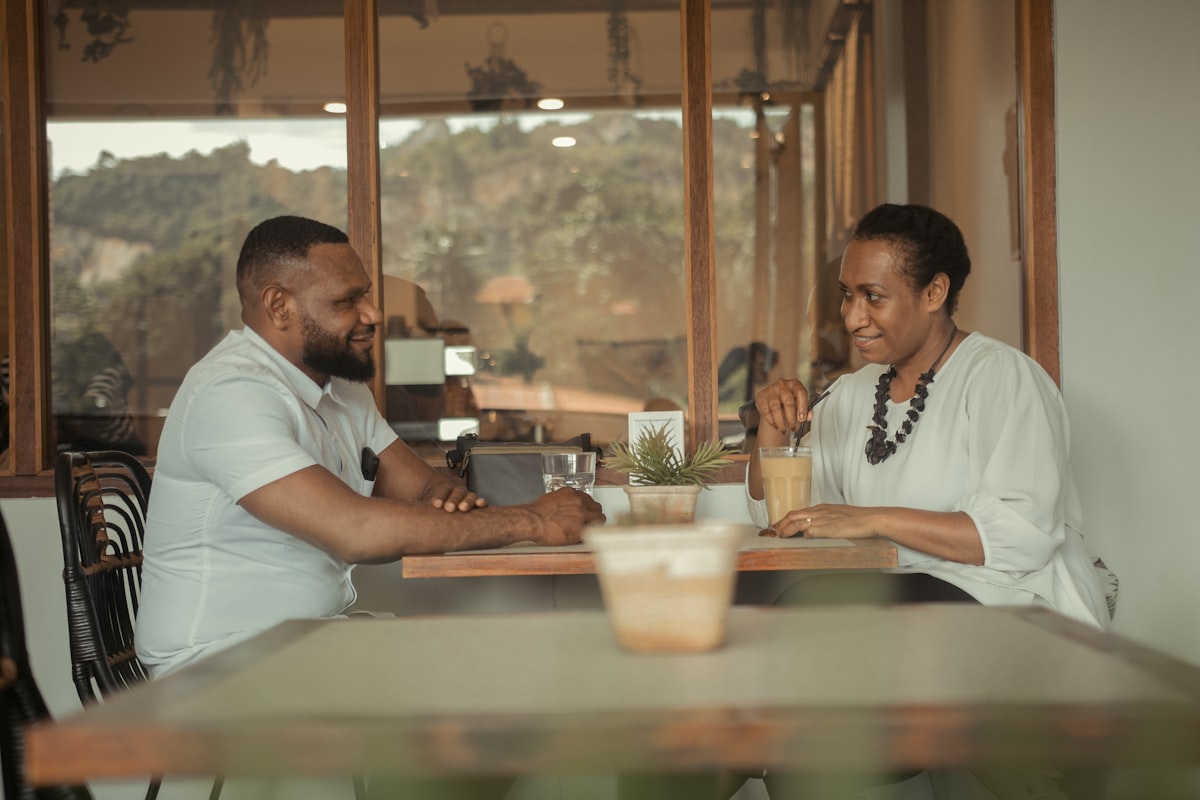
I am not attacking our traditions. The knocking, the sending of drinks, the family enquiry, these things carry real meaning. A bride price is not a receipt. It is a sign that a woman is valued and that two families are now bound together. That is beautiful and it should stay.
But somewhere we let meaning turn into competition. The list stopped being a symbol and became a scoreboard. Families now measure love by the length of the receipt. And the young man who cannot yet produce the receipt is told, quietly, that his love is not enough.
That is where I want us to stop and think.
Because a man can spend everything he owns on the ceremony and walk into the marriage with nothing left to build a home. He impressed the crowd and starved the future. He bought one loud day and mortgaged a thousand quiet ones.
What did the party give the marriage? Nothing. The debt outlives the decorations.
So here is what I am asking you to do this week, whether you are the one in love or the family sitting in judgement over someone else’s love.
Separate the wedding from the marriage in your mind, completely. Ask what a home actually needs. It needs two people who are honest with money, who can talk without fighting, who share a plan bigger than a guest list. None of that is bought in a decorated hall.

If you are the couple, agree on a ceremony you can afford in cash, not in loans. A small honest wedding and a strong marriage will beat a grand wedding and a struggling one every single time. Do not begin your life together in a hole you dug to impress people who will not visit you when the money is gone.
And if you are the family, remember what the list was always for. It was a symbol, never a ransom. Do not price your daughter’s happiness out of reach and then wonder why she is still single at thirty five. A good man who honours her is worth more than a receipt you can show the neighbours.
The party ends by midnight. The marriage is meant to last a lifetime.
Spend on the thing that lasts.
God bless you.
Before you go — one step.
Get my free guide, 7 Money Mistakes Ghanaians Make:
Want to talk it through?
Book a free discovery callReady to go deeper? Get the SMART CEDI Workbook.